
Step 1: Locate the leak
Put the boat on its trailer, level it and fill the hull with a few inches of water from a hose. Mark every drip underneath with a grease pencil. Alternatively, shine a bright light inside the hull at night and look for light coming through from below.
- Drips along a row of rivets point to loose or worn rivets.
- A line of drips on a seam or chine usually means a crack in a weld or the metal next to it.
- Single drips in open hull plates often mean corrosion pinholes.
Step 2: Match the fix to the cause
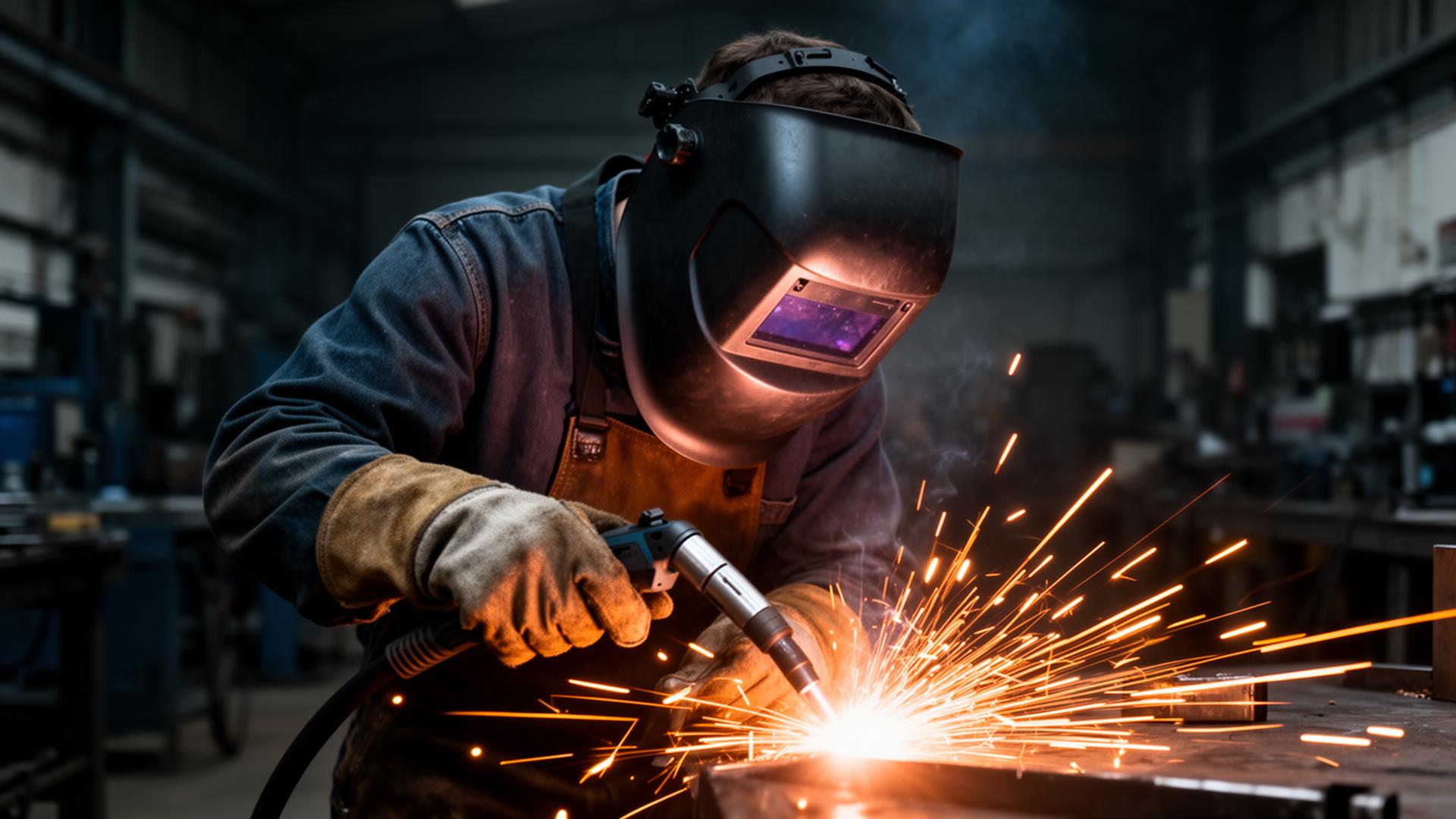
Loose rivets can often be re-set or replaced and sealed. Cracks in welded seams, transom joints and hull plates generally need to be cleaned and TIG welded so the strength is restored, not just the seal.
Corrosion pinholes need the corroded metal removed and checked. Thin, pitted plate may need a welded patch rather than filling individual holes.
Step 3: Temporary fixes
Marine epoxy or a sealant can slow a leak long enough to get the boat home. These products do not restore strength and make later welding harder, because all of it must be ground off before welding.
When to call a welder
Call for an assessment if the leak is on a welded seam, near the transom, on a spot that flexes, or keeps returning after sealing. Send close-up and wide photos of the inside and outside of the hull with your quote request.
Common questions
- Can you weld a riveted aluminum boat?
- Often the damaged area can be welded, but rivet lines and thin hull sheet need careful assessment first. Photos of the area help decide whether welding, re-riveting or a patch is right.
- Is JB Weld or epoxy a permanent fix for an aluminum boat?
- No. Epoxy is a temporary seal. It does not restore strength and must be fully removed before a proper weld repair.
- Can the boat stay on the trailer for the repair?
- Many hull repairs are easiest with the boat on its trailer and dry. Tell us where the boat is and whether the damaged area can be reached.