
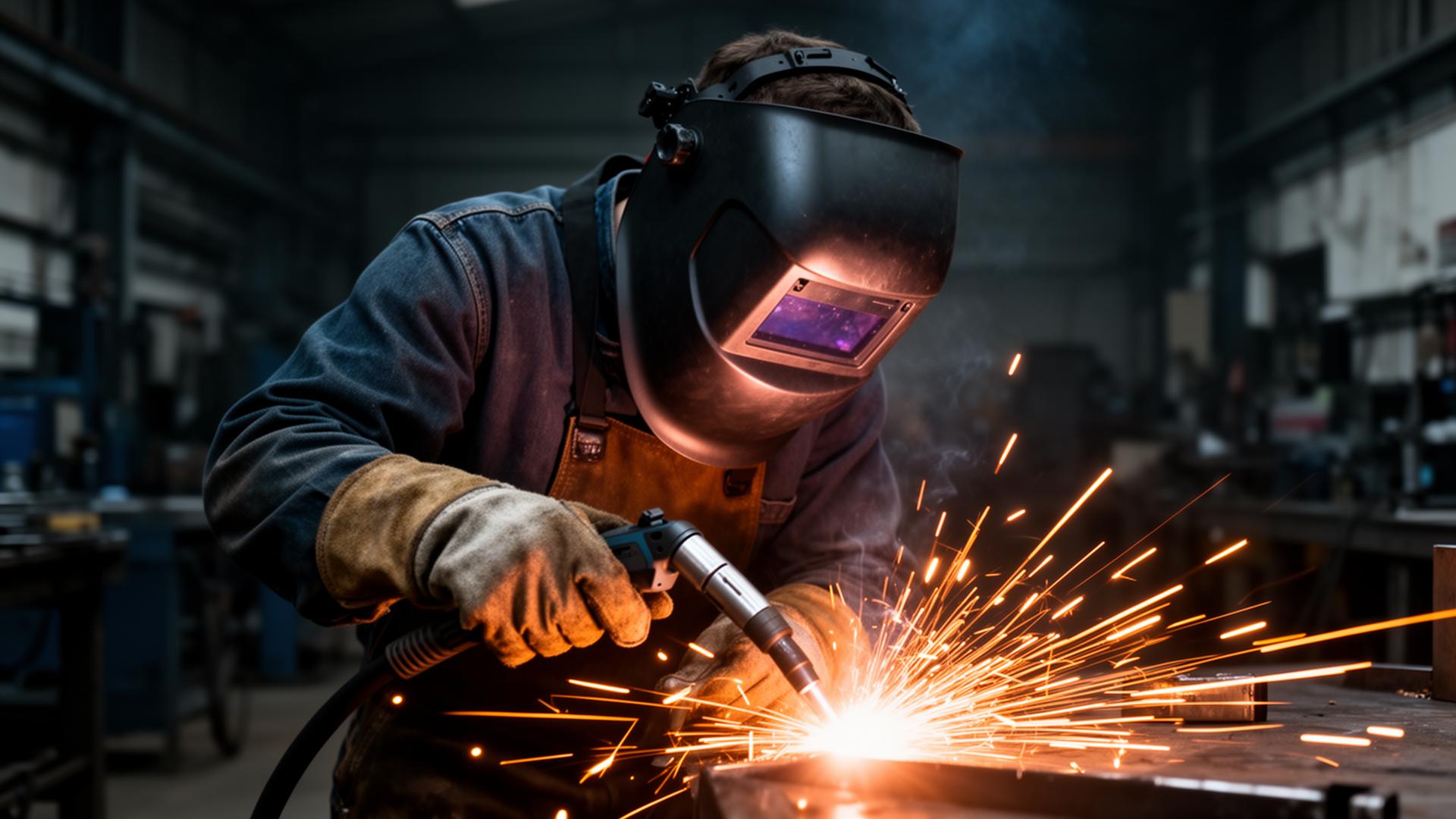
How to Repair an Aluminum Boat Hull & Transom
A practical guide to fixing cracks and holes in aluminum boats — from prep to TIG welding. Know when a temporary patch is enough and when to call a professional marine welder.
Aluminum boats are built to last, but hard use on Lake Havasu means hull impacts, trailer loading scrapes, and stress cracks around the transom are common. Small issues can turn into costly leaks fast — especially when the Arizona sun heats the metal and expands existing cracks.
This guide walks you through the full TIG welding repair process for aluminum hulls and transoms. We also cover temporary fixes for emergencies and explain why professional welding is usually the safest long-term solution.
Assess the Damage
Start by cleaning the area with a wire brush and solvent to remove algae, oxidation, and grease. Inspect the crack length and depth. A hairline surface crack on the exterior may run deeper on the back side — check both inside and outside the hull.
For transom cracks, look for delamination around wood or composite cores. If water has seeped into a wood-cored transom, the damage is structural and welding alone will not fix it — the core must be replaced.
Red flag: If the crack runs along a weld seam or the hull flexes visibly around the damage, the structural integrity is compromised. Stop and consult a professional welder before continuing.
Temporary Fixes vs. Permanent Welding
For a short-term patch on the water or at the ramp, marine-grade epoxy putty or an aluminum repair patch kit can slow a leak. These are stop-gap measures only — they do not restore hull strength and will fail under vibration and heat cycles.
- Epoxy putty or tape patch
- Quick, no tools needed
- May last days to weeks
- Does not restore strength
- Full metal fusion repair
- Restores original strength
- Lasts the life of the hull
- Requires AC TIG + 5356 filler
Prepare the Area
Proper prep is what separates a repair that holds from one that cracks again in six months. Aluminum oxidizes almost instantly, so cleanliness is critical.
- Grind away paint and anodizing around the damage with a flap disc — extend at least 1 inch past the visible crack on all sides.
- Chase the crack with a carbide burr or grinding bit to create a V-groove. This gives the weld something to bite into and removes contaminated base metal.
- Clean with acetone or lacquer thinner immediately before welding. Do not touch the bare metal with bare hands after cleaning — skin oils will cause porosity.
- Clamp or brace the hull to prevent warping from heat. A backing bar of copper or aluminum on the back side helps control heat and supports the weld pool.
TIG Welding the Crack or Hole
Aluminum TIG welding requires an AC-capable machine with high-frequency start. Use 100% argon shielding gas and 5356 or 4043 filler rod (5356 is stronger and more corrosion-resistant for marine use).
Machine Settings (general starting point)
- AC balance: 65–75% electrode negative (cleaning)
- Frequency: 120–150 Hz for a focused arc
- Amperage: 1 amp per 0.001 inch of material thickness
- Pre-flow: 1–2 seconds; Post-flow: 5–8 seconds
For cracks: Tack each end first to prevent the crack from spreading. Weld in short 1-inch bursts, allowing the metal to cool between passes. Overheating will warp thin hull material (typically 0.080–0.125 inch).
For holes: Cut a matching aluminum patch from the same alloy and thickness. Bevel the edges of both the patch and the hole, then TIG weld in overlapping stitch passes. A copper backing block is essential to prevent the weld from dropping through.
Finishing & Sealing
After welding, let the area cool naturally — do not quench aluminum with water. Rapid cooling can introduce stress cracking.
- Grind the weld flush with a flap disc if the repair is cosmetic. For structural joints, leave a slight crown for strength.
- Wire-brush the heat-affected zone to remove oxidation. A stainless steel brush dedicated to aluminum prevents contamination.
- Apply marine-grade sealant or epoxy primer to protect the bare metal. Anodized aluminum does not need paint, but raw welds will oxidize quickly in lake water if left unprotected.
When to Call a Professional Welder
DIY aluminum TIG welding is possible with the right equipment and practice, but most boat owners do not have an AC TIG setup, the correct filler, or the experience to avoid common mistakes like porosity, lack of fusion, or warping.
Structural cracks
Transom, stringer, or hull seam failures need engineered repairs.
Thick material
0.125 inch+ plate or cast fittings need high-amp AC and preheat control.
Corroded or dirty areas
Salt buildup and oxidation make clean prep nearly impossible without shop tools.
No shop access
Mobile welders bring the shop to your dock or storage yard.
Need a Professional Aluminum Boat Repair?
Havasu Welding specializes in marine aluminum TIG repairs — hull cracks, transom reinforcements, stringer rebuilds, and custom fabrication. Mobile service available across Lake Havasu City and surrounding Arizona communities.
Licensed · Insured · Family Operated — Serving Lake Havasu City, Parker, Bullhead City & Kingman